
Body

Abdominoplasty

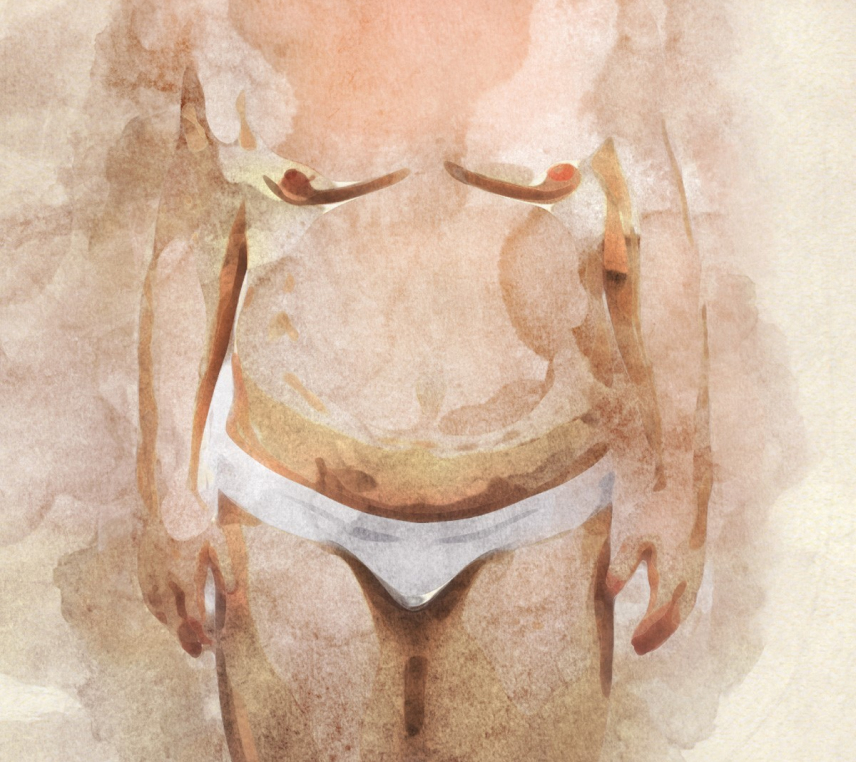
Abdominoplasty, commonly known as a tummy tuck, is a surgical procedure designed to eliminate excess skin and fat from the middle and lower abdomen. It may also involve tightening the underlying abdominal muscles for improved tone and contour.

Why Consider Abdominoplasty?

There are several reasons why you might consider abdominoplasty:

  • Weight loss: To address sagging skin and excess fat after significant weight loss.
  • Pregnancy: To correct abdominal laxity and separation of abdominal muscles following childbirth.
  • Aging: To counteract the effects of aging, including loss of skin elasticity and muscle tone.

Types of Abdominoplasty

Dr Knox offers various abdominoplasty procedures tailored to individual needs:
Full Tummy Tuck
Involves removing excess skin and fat, tightening muscles, and repositioning the belly button..
Extended Tummy Tuck
Addresses fat and skin removal more towards the sides and flanks.
Fleur-de-Lis Tummy Tuck
Corrects more extensive soft tissue laxity/excess, but involves a vertical scar as well as the horizontal scar of a ‘standard’ abdominoplasty.
Corset Tummy Tuck
Tightens abdominal muscles for a more defined waistline, but introduces a vertical scar and another horizontal scar in the ‘breast fold’ area.
Dr Knox will assess your general health and discuss the most suitable procedure for your situation.

Types of Abdominoplasty

Abdominoplasty is typically performed under general anaesthesia. The procedure can take anywhere from three to five hours. The procedure involves:
  • Making incisions to remove excess skin and fat
  • Tightening the abdominal muscles
  • Repositioning the belly button
  • Closing incisions with sutures
Recovery time varies depending on the extent of the procedure, but typically involves three to four weeks of healing and reduced activity. It is important to make the proper arrangements in advance based on Dr Knox’s instructions to fully prepare yourself for recovery.

Discover Experience
and Compassionate Care

Dr Knox is your trusted specialist for various Body Surgeries.

Arm Lift

Sagging skin on the upper arms can be a frustrating and persistent problem. Arm lift surgery, or brachioplasty, is a surgical procedure designed to remove excess skin and fat from the upper arm.

Why Consider Arm Lift?

Excess skin on the upper arms can be caused by significant weight loss, aging, or genetics. This can lead to discomfort, self-consciousness, and difficulty with clothing. Arm lift surgery can help to:
  • Improve the appearance of the upper arms
  • Reduce ‘swinging’ in the upper arm with movement
  • Improve self-confidence

The Arm Lift Procedure

The incision is typically placed on the inner side of the arm, extending from the elbow to the armpit and sometimes onto the side of the chest. This operation is a trade-off between the excess skin and soft tissue, and the scar. As part of your consultation Dr Knox will show you a range of scars at different stages of healing, to help you decide if that ‘trade-off’ is acceptable. While Dr Knox will strive to minimise scarring, it is important to understand that scars can vary from person to person, and from side to side.
Recovery and Results

Arm lift surgery requires downtime for healing. You can expect some swelling, bruising, and discomfort in the treated area. Most patients return to work within two to three weeks, but full recovery may take longer, particularly the colour of the scars . The results of arm lift surgery are long-lasting, but you should anticipate some loosening with age, or with weight fluctuations.
dr-knox-internal-cta-image-2

Bespoke Care Can Start With A Call

Contact us on 9553 9188 to book a consultation

Body Lift

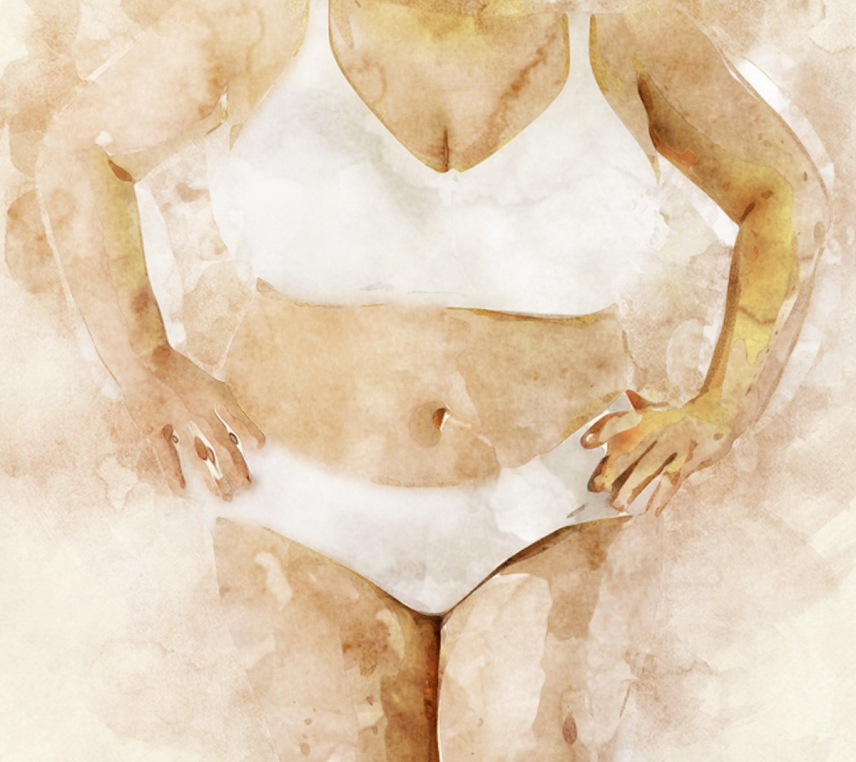
Body contouring surgery is a procedure designed to eliminate excess skin and fat following significant weight loss, pregnancy, or aging. By reshaping the body and improving its overall appearance, this surgery can improve self-esteem and change quality of life.

Is a broad term combining a number of procedures Into one operation but with the combined goal of elevating and tightening tissues which have sagged or dropped. These procedures are NOT designed to reduce weight in any significant way - that is the role of bariatric operations such as sleeve gastrectomy, gastric bypass etc.

Why Consider Body Contouring?

Excess skin can lead to various physical and emotional challenges, including:
  • Difficulty with mobility and exercise
  • Back and shoulder pain
  • Skin infections, rashes, splitting etc.
  • Hygiene issues

Body contouring can help with these issues by:

  • Reducing the excess skin and soft tissues from the target areas eg waist, abdomen, thighs, buttocks, upper torso, and upper arms and repositioning the remaining tissues to a more appropriate level.
  • Improving body proportions and definition
  • Most patients report significantly enhanced self-confidence, both in day to day activity and when exercising.

Body Lift Procedure

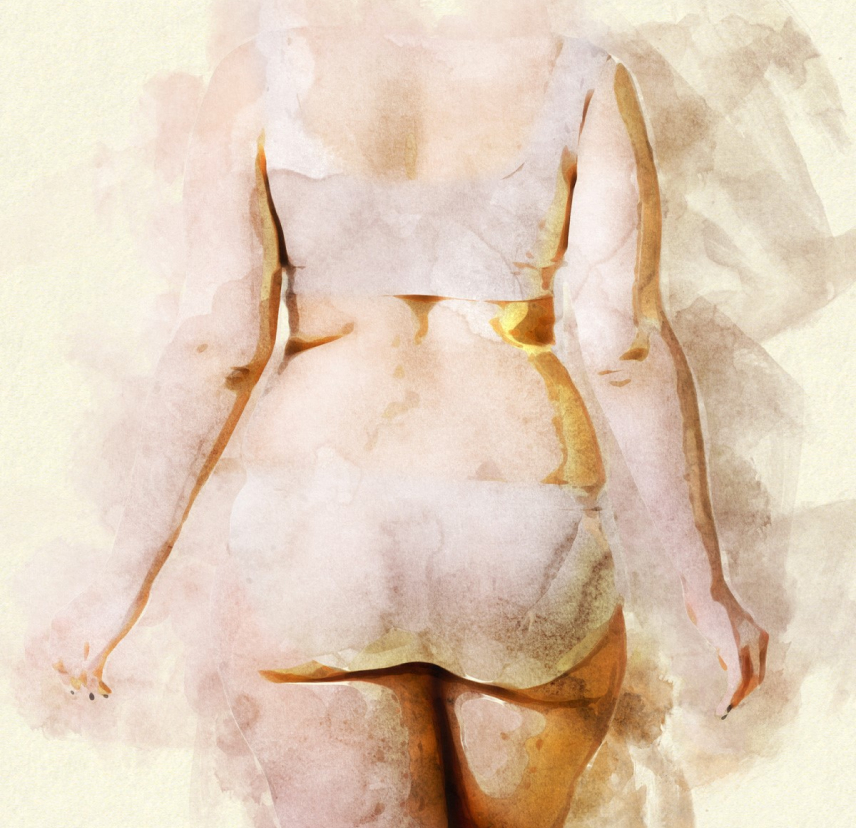
Body lift procedures mainly focus on the lower body, but you may hear the term ‘Upper body lift’ which usually refers to correction of back rolls, soft tissue excess on the side of the chest, and sometimes combined with breast lifting techniques.

Dr Knox will assess your individual needs and discuss with you the most suitable approach.

‘Body Lift’ procedures either upper or lower, involve significant wounds, post operative wound care and post op support. It is sometimes recommended to break up these operations into separate and smaller procedures in the interests of wound management and safety. These are issues we can discuss with you before completing your treatment plan.

Recovery and Results

Body contouring surgery requires significant downtime for healing. You can expect:

  • Swelling and bruising
  • Discomfort and pain
  • Limited mobility

Most patients return to work at least in some capacity, within three weeks, but full recovery may take several months.

To explore the possibility of body contouring surgery, schedule a consultation with Dr Knox. He will evaluate your goals, medical history, and overall health to determine the best treatment plan for you.

Discover Experience
and Compassionate Care

Dr Knox is your trusted specialist for various Body Surgeries.

Liposuction

Liposuction is a surgical procedure designed to remove unwanted fat deposits from specific areas of the body. It's important to understand that liposuction is not a weight loss solution but a body contouring technique.

Why Consider Liposuction?

Liposuction can help address stubborn fat that resists diet and exercise. Common areas for treatment include:

  • Abdomen
  • Flanks (love handles)
  • Hips and buttocks
  • Thighs
  • Upper arms (Usually in conjunction with a brachioplasty)
  • Male chest (Some cases of gynecomastia)

The Liposuction Procedure

The procedure is typically performed under general anaesthesia. Liposuction involves using a suction device to remove excess fat through small incisions. This operation relies on your skin having good ‘elastic’ qualities so that once underlying bulk has been removed, the skin can re-conform (‘snap back’) to the new underlying soft tissue shape. Unfortunately, as we age, skin loses its elasticity and may just hang down. This is one of the reasons we need to make a careful assessment of your desired result and the realities of your skin.

In the appropriate patient and with good skin and soft tissue, liposuction is a very effective treatment modality.
Recovery and Results

After liposuction, you can expect some swelling, bruising, and discomfort. Bruising in particular can be quite significant and can take 2 to 3 weeks to disappear. Expect the treated areas to feel much harder than normal soft tissues. With the possible exception of upper arm liposuction, we strongly recommend using a compression garment for 3-4 weeks after your operation. This helps with re-shaping and reducing the risk of collections of fluid. As part of your consultation we will show you the sort of garments Dr Knox would recommend.

Thigh Lift

The procedure typically involves incisions along the inner thigh, extending from the groin to the knee. Excess skin and some fat is removed, and the remaining tissue is tightened to create a more sculpted appearance.

Liposuction is an important component of this operation, and you can expect the areas treated to be quite firm with areas of some lumpiness for several weeks. For best results you will need to wear a compression garment for 3-4 weeks.

Why Consider a Thigh Lift?

Thigh lifts are often sought after by individuals who have:

  • Experienced significant weight loss
  • Loose skin folds in the thighs, particularly the inner thighs
  • Aged and experienced a decline in skin elasticity

The Thigh Lift Procedure

The procedure typically involves incisions along the inner thigh, extending from the groin to the knee. Excess skin and some fat is removed, and the remaining tissue is tightened to create a more sculpted appearance.

Liposuction is an important component of this operation, and you can expect the areas treated to be quite firm with areas of some lumpiness for several weeks. For best results you will need to wear a compression garment for 3-4 weeks.

Recovery and Results

Thigh lift surgery requires significant downtime for healing. You can expect:

  • Bruising and temporary swelling which can extend to the ankles
  • Some irregularity in the soft tissues of the thigh
  • Limited mobility for the first 1 to 2 weeks

To learn more about thigh lift surgery and determine if it's right for you, schedule a consultation with Dr Knox. He will discuss your goals, medical history, and the potential risks and benefits of the procedure. As with an ‘arm lift’ (Brachioplasty) perhaps one of the main considerations is the scar. These are lenghty and will be a pink/purple colour for 12 months.

You can anticipate that these scars will fade to white in most cases, but will not be invisible.

Dr Adrian Knox logo in white

St George Private Hospital

  • Suite 6, Level 3, 1 South St
    Kogarah NSW 2217

Gregory Hills Health & Business Centre

  • Suite 17, Level 2, 13 Digiteria D Gledswood Hills NSW 2557

Copyright 2024 Dr Adrian Knox